
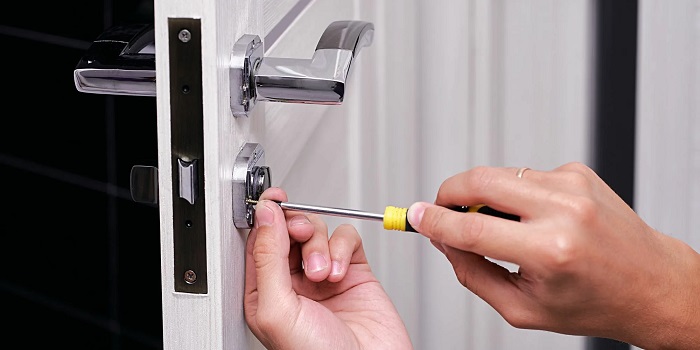
A door lock isn’t just a mechanism; it’s a crucial security element in your home. When it fails, it can become a serious issue, both in terms of convenience and security. Learn more about door lock repair on https://locksmithslock.com and take the right steps.
When should you consider repairs?
The first signs of a malfunction can vary:
- the door won’t close or open fully: This could be due to worn parts, a misaligned door frame, or a problem with the lock itself;
- the key sticks or turns with difficulty: This often indicates a dirty mechanism, worn cylinder, or damaged deadbolts;
- unusual noises are heard when the lock is operating: creaking, clicking, or grinding may indicate the need for lubrication or replacement of worn parts;
- the door handle is loose or slipping: This is usually due to a problem with the handle mount or the mechanism connecting it to the lock.
Basic Repair Rules and Tips
There are some rules you should follow. These include:
- Before starting repairs, try to understand what exactly is wrong. Inspect the lock, handle, and door frame. Try to pinpoint where the problem is occurring.
- If the lock is sticking, do not force it open. This can break the key or damage the mechanism itself.
- Most sticking lock problems can be solved with simple lubrication. Use specialized lock lubricants (silicone- or graphite-based). Avoid oils, which can attract dust and dirt. Apply lubricant to the keyhole and to the moving parts of the mechanism.
- If the handle is loose, check the screws that secure it to the door. They may have simply come loose. Gently tighten them.
- If the lock is dirty, try gently blowing it out with compressed air or using a fine brush to remove dust and dirt.
- Sometimes the problem lies not in the lock, but in the door frame itself. If the door has sagged or the frame has become warped, it may interfere with the lock’s proper operation. In this case, the hinges may need adjustment or even door frame repair.
- If the key won’t turn or the lock is severely worn, the lock cylinder may need to be replaced. This is a relatively simple procedure that you can perform yourself if you have the right tools.
If you’re unsure, the problem seems complex, or you’re worried about damaging the lock, it’s best to contact a professional locksmith. They’ll quickly determine the cause of the problem and perform a high-quality repair!